Market Analysis
The Biggest Carriers You've Never Heard Of Aren't Trucking Companies
Sort the FMCSA fleet-growth winners 2022–2026 and the top is dominated by equipment rental, waste, ag distribution, and big-tech logistics — not household-name carriers. HERC Rentals added 7,600 trucks. J.B. Hunt was flat.
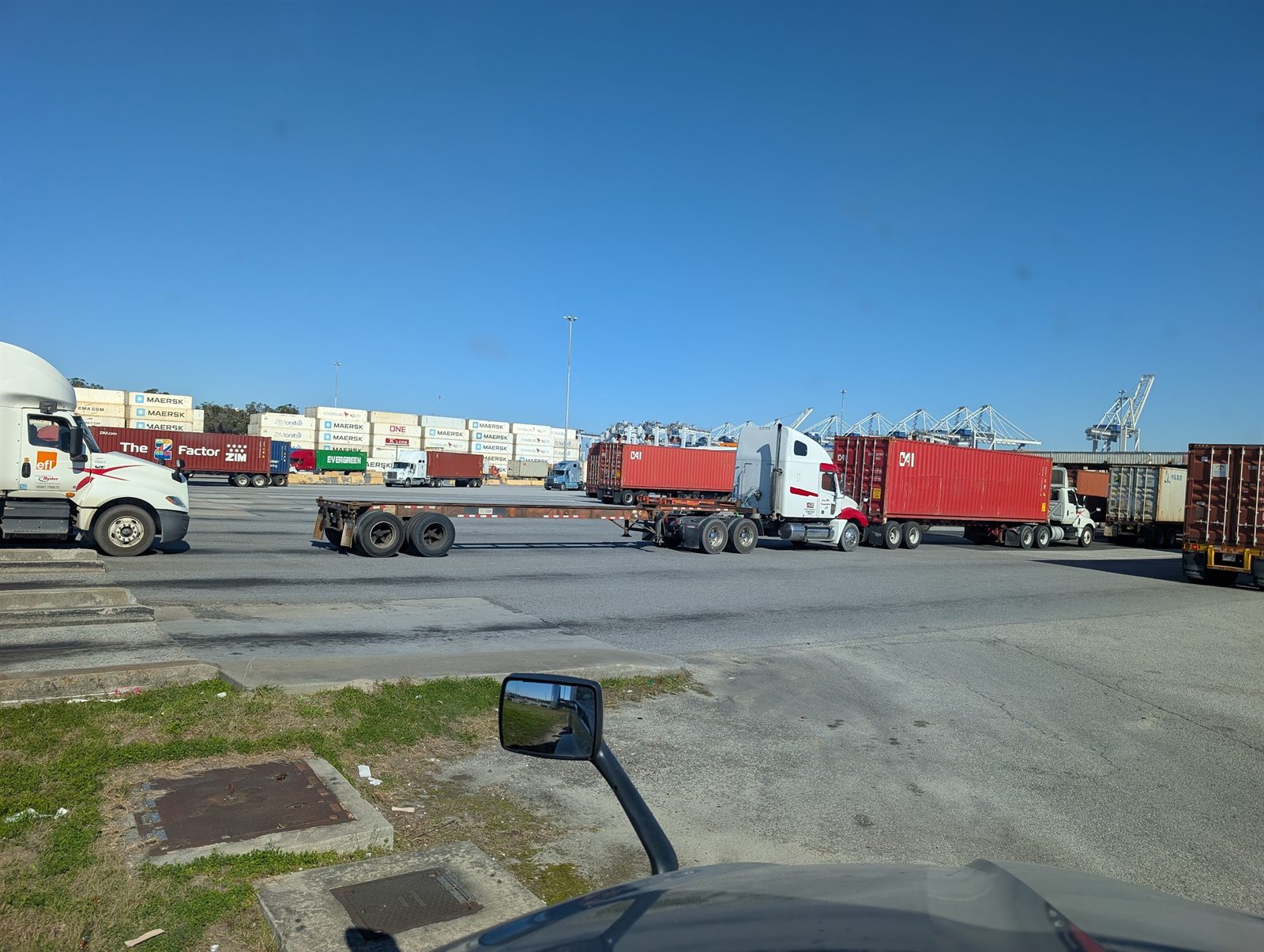
In February 2022, HERC Rentals ran 913 trucks. Today they run 8,527. They added more trucks in four years than Werner Enterprises owns. They have one MC docket. They are 100% asset-owned. Almost no one in trucking has heard of them.
This isn’t a unique case. The fleet-growth winners of the last four years are dominated by companies most freight people couldn’t pick out of a lineup. Meanwhile, the names you actually know — J.B. Hunt, Schneider, Werner, Swift — basically held steady or shrank. The interesting fleet growth in American trucking didn’t happen at trucking companies.
Who actually grew
Sort the database by absolute fleet growth 2022 → 2026 and the top of the list looks like this:
| Carrier | What they do | 2022 trucks | 2026 trucks | Growth |
|---|---|---|---|---|
| HERC Rentals | Equipment rental (Hertz spin-off) | 913 | 8,527 | +834% |
| BMC West | Building materials distribution | 870 | 4,524 | +420% |
| EquipmentShare | Peer-to-peer equipment rental | 882 | 3,771 | +328% |
| Intermodal Cartage | Drayage / intermodal | 530 | 2,785 | +425% |
| Central Transport (Moroun) | LTL freight | 3,003 | 4,944 | +65% |
| United Rentals | Equipment rental | 6,093 | 7,789 | +28% |
| Amazon Logistics | E-commerce delivery | 13,768 | 15,259 | +11% |
| Lazer Spot | Yard / spotter trucks | 1,580 | 2,770 | +75% |
| Williams Scotsman | Modular building delivery | 295 | 1,426 | +383% |
| WM Transport of Indiana | Waste management | 66 | 964 | +1,360% |
| Lew Thompson & Son | Poultry transport | 74 | 910 | +1,129% |
| Rumpke Transportation | Waste management | 1,744 | 2,171 | +25% |
| Waste Management of Florida | Waste management | 1,716 | 2,430 | +42% |
| Nutrien Ag Solutions | Ag chemical distribution | 8,212 | 9,367 | +14% |
Now look at what’s NOT on the list. J.B. Hunt was at 25,280 trucks in 2026 — down from a much higher 2022 number (we tracked them as flat-to-down). Schneider grew modestly from 9,866 to 10,612. Werner went from 9,863 to a similar number. The household-name truckload carriers had a fundamentally boring four years. The growth happened elsewhere.
Three growth patterns, and why each matters
When you pull each grower’s OWN vs TERM-LEASE vs TRIP-LEASE fleet structure from FMCSA’s MCS-150 filings, the growth stories sort into three buckets:
1. Asset-heavy consolidation (acquire and absorb). HERC Rentals: 100% owned, single MC docket. Central Transport: 100% owned, single docket. Rumpke, Waste Management of Florida, Lew Thompson, USA DeBusk — all the same pattern. These are companies that bought their growth. When they acquired a competitor, they took the trucks and retired the acquired DOT. The surviving DOT just got bigger. That’s why HERC went from 913 to 8,527 power units while holding one MC number — every acquired fleet got absorbed under their existing authority.
You don’t see seven different DOTs for HERC. You see ONE DOT with eight times the trucks.
2. Asset-light leasing-up (capital-efficient scale). Amazon Logistics: 3,161 owned trucks and 12,098 term-leased. United Rentals: 2,061 owned, 5,727 leased. Nova Lines: zero owned, 1,298 leased. Hogan Dedicated Services: zero owned, 1,581 leased. Splash Transport: 257 owned, 2,864 leased.
These companies don’t own most of their fleet — they lease it in from intermediaries on multi-year contracts. From an FMCSA-authority perspective, the trucks operate under their DOT, but the capital is on someone else’s balance sheet. It’s an entirely different business model from a J.B. Hunt or a Werner, and it lets them scale up and down without the asset-heavy commitments.
3. Mid-tier hybrids (mixed posture). BMC West (92% owned, 8% leased), EquipmentShare (92/8), Williams Scotsman (mixed), Intermodal Cartage (37% owned, 63% leased). These are companies that haven’t fully committed to either model — they pick lease vs. buy based on contract length, region, and equipment type.
The aggregate split among the top 100 growers
| Asset type | Trucks among top 100 growers |
|---|---|
| Owned | 62,195 (53%) |
| Term-leased | 54,107 (46%) |
| Trip-leased | 1,103 (1%) |
Roughly half the growth was bought (own-heavy consolidators) and half was leased (asset-light scalers). Pretty even split — but the choice of which model dramatically shapes the kind of company you become.
Why this matters
Three things this changes about how to read the industry:
-
“Trucking is consolidating” is half the story. The other half is “trucking is being entered by adjacent industries” — rental, waste, e-commerce, ag chemicals. The growth isn’t going to trucking companies; it’s going to non-trucking companies that need trucking capacity. They’re not competing with carriers in any traditional sense. They’re vertically integrating freight into their existing business.
-
Single-DOT massive growth = acquisition signature. If you see a 5x fleet growth at a single MC docket, that’s almost never organic. It’s a buy-and-absorb pattern. Operators acquire competitors, take their trucks, retire their DOTs. The Moroun family has been doing it for decades (Central Transport); HERC Rentals is doing it now.
-
Amazon’s freight model is not what most freight people think. Amazon Logistics has 15,000 trucks under its DOT but only 3,000 of them are owned. They lease 12,000 in from partners. That’s a fundamentally different commitment posture than a traditional dedicated-fleet shipper. Whether that’s the future of freight or a transitional model is a real open question.
Takeaway
The most interesting carriers in the data right now are the ones nobody is writing about: equipment rental companies, waste management subsidiaries, agricultural distributors, and big-tech logistics arms. Each one of them quietly accumulated thousands of trucks in four years while the trade press covered J.B. Hunt’s earnings calls. The growth is real, it’s measurable, and most of the industry has missed it.
Receipts: All fleet sizes are from CompanyCensus.POWER_UNITS (current) and the parsed 2022 SAFER snapshot. Asset structure pulled from CompanyCensus.OWNTRUCK + OWNTRACT + TRMTRUCK + TRMTRACT + TRPTRUCK + TRPTRACT. Filtered for plausibility: TOTAL_DRIVERS >= POWER_UNITS / 3 to exclude obvious MCS-150 data-entry errors.